The Evolution of AI From Simple Chatbot to Virtual Girlfriend
AI has come a long way from simple, boring, and monotonous chatbots.

From simple, boring, and monotonous chatbots to smart virtual companions, the world of artificial intelligence has come a long way.
Remember when chatting with a bot felt like talking to a brick wall?
The responses were canned, the interactions stiff, and any attempt at a real conversation was met with confusion.
But thanks to recent improvements in AI technology, we now have intelligent virtual companions that can understand, learn, and even emulate human emotions. Large Language Models (LLMs) and AI image generators have given birth to AI girlfriend generators, and one of the most popular among them is Nectar AI.
What is Nectar AI?
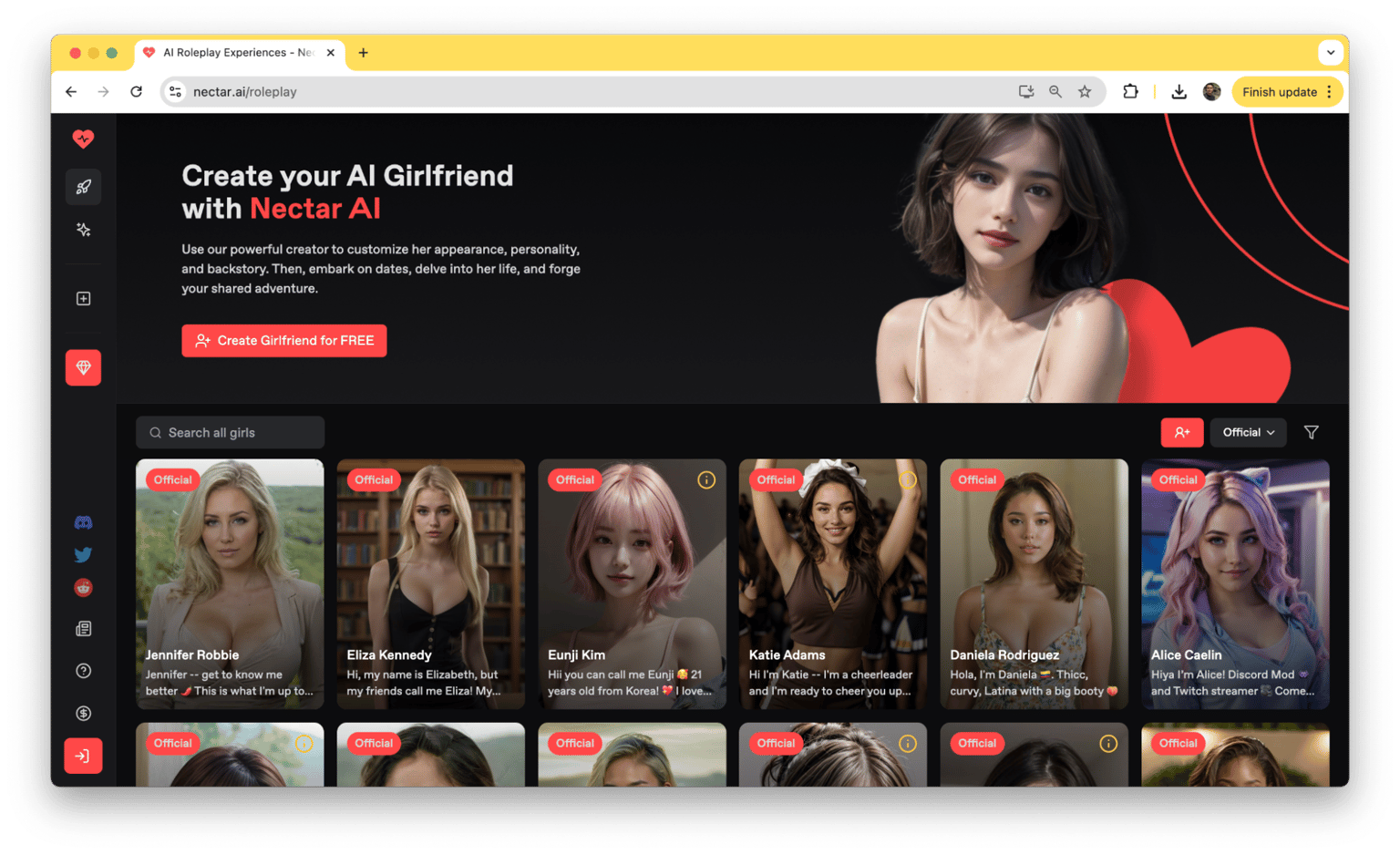
Nectar AI is a generative AI platform for creating and interacting with AI girlfriends.
It's not just a chatbot with a pretty face; it's a comprehensive system equipped with hundreds of editing controls and advanced language models. Users can customize their virtual companion's appearance, personality, and even her way of speaking.
Here’s what the website looks like:
Sexy Roleplay
The goal is to create a personalized experience that feels less like interacting with a machine and more like building a connection with someone who understands you.
Imagine being able to converse with an AI that remembers your past conversations, shares your interests, and adapts over time to better suit your preferences. That's what Nectar AI aims to offer—a virtual companion that feels genuinely engaging.
The Early Days of AI Chatbots
To appreciate how far we've come, let's take a trip down memory lane. In the beginning, chatbots were anything but engaging. One of the earliest examples was ELIZA, developed in the 1960s by Joseph Weizenbaum at MIT.
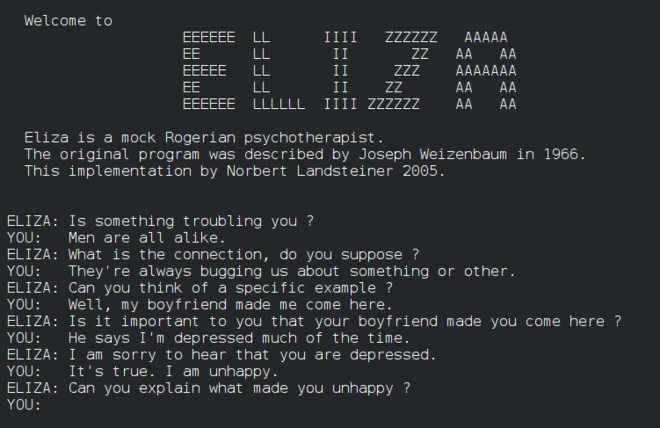
ELIZA simulated conversation by using pattern matching and substitution methodology, giving scripted responses to user inputs. It was groundbreaking at the time but limited in functionality. ELIZA didn't understand context or nuance; it simply followed a script.
Fast forward to the late 1990s and early 2000s; chatbots became more common on websites and customer service platforms. They were primarily rule-based systems designed to handle simple tasks like answering frequently asked questions or guiding users through basic processes.
One of the most popular AI assistant back in the 2010s is Apple’s SIRI.

While they served a purpose, interactions were often frustrating. The bots couldn't handle complex queries or understand the subtleties of human language.
These early chatbots lacked the ability to learn from interactions. They couldn't adapt or improve over time because they weren't built with machine learning capabilities. Users quickly grew tired of the robotic responses and yearned for something more intuitive and responsive.
The Rise of AI Girlfriends
The game-changer came with the development of advanced LLMs like OpenAI's GPT series. These models brought a seismic shift in how machines understand and generate language. GPT-3 and its successors could generate human-like text, understand context, and even display elements of creativity and humor. This breakthrough opened the door to applications far beyond customer service bots.
People began exploring the idea of AI companions—virtual entities that could engage in deep, meaningful conversations. The concept of AI girlfriends emerged, combining advanced language processing with personalized user experiences. These AI companions could remember past interactions, adapt their communication style, and provide emotional support. They weren't just tools; they were companions that offered a semblance of emotional connection.
Platforms like Nectar AI started gaining popularity, offering AI friends that users could chat with anytime.
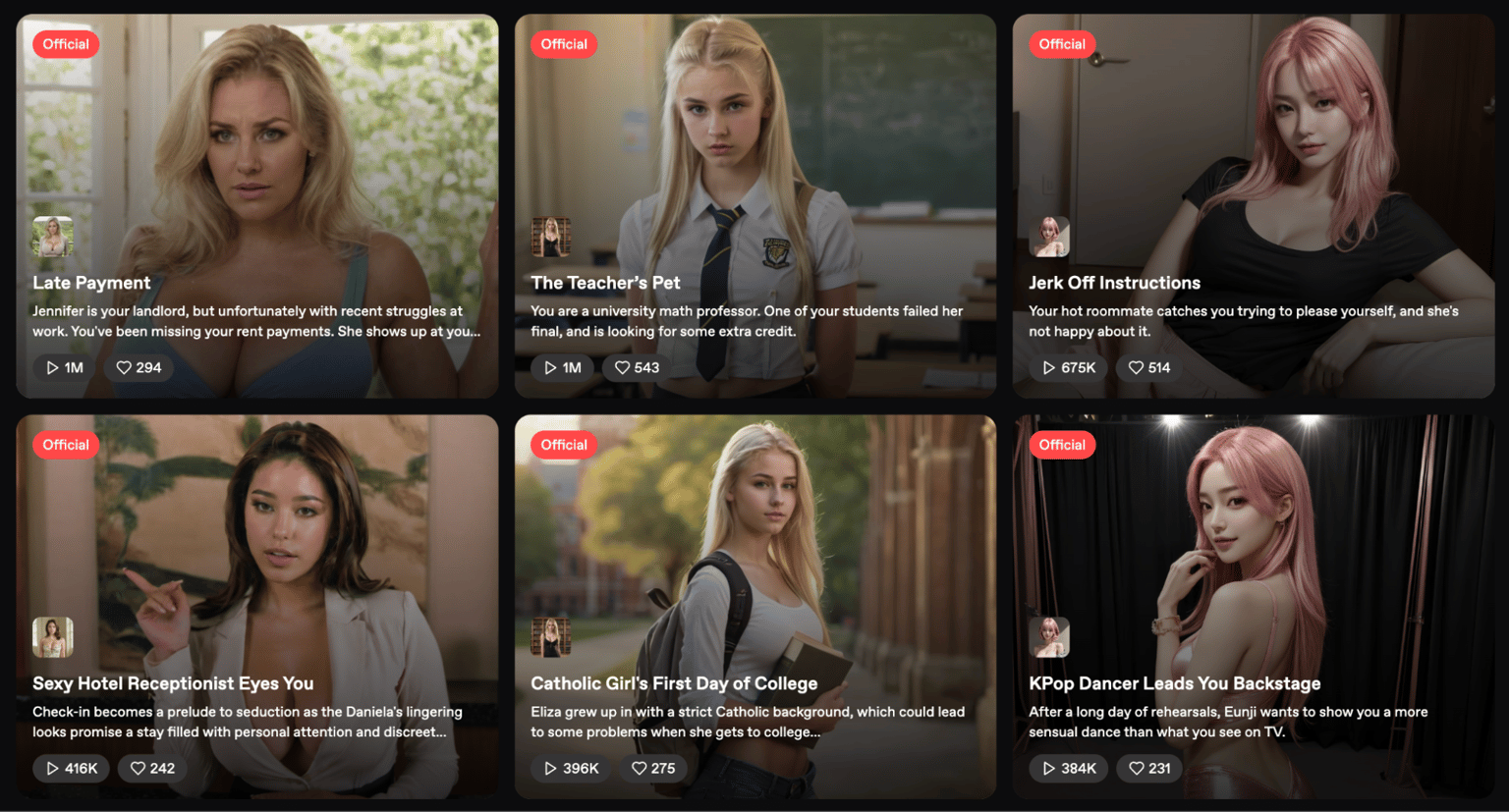
The success of these platforms highlighted a growing demand for more personalized and emotionally intelligent AI companions. It wasn't long before developers began integrating visual elements, giving rise to AI girlfriend generators that combined conversational AI with customizable avatars.
The Future of AI Girlfriends
In the near future, AI girlfriends is set to become even more immersive. Advancements in audio and video technologies are on the horizon, promising to make virtual companions even more lifelike.
- Audio Enhancements: Voice synthesis technology is improving rapidly. Soon, AI companions will not only text but also speak in voices that sound remarkably human. They'll be able to convey emotions through tone, pitch, and pacing, adding another layer of realism to interactions. Imagine having a conversation where the AI's voice reflects concern when you're feeling down or excitement when you share good news.
- Real-Time Video Interaction: The next phase is integrating real-time video. With progress in deepfake technology and real-time rendering, it's conceivable that AI companions could appear in video calls, mimicking facial expressions and body language. This would make interactions feel even more personal and engaging.
These advancements also raise important ethical questions. How will deepening relationships with AI companions impact human interactions? What are the privacy implications of AI that learn and adapt based on personal conversations?
Create Now!
Conclusion
AI is just getting started. The journey from simple chatbots to virtual girlfriends showcases the incredible strides technology has made in understanding and replicating human interaction. We've moved from rigid, scripted responses to dynamic, personalized conversations that can offer genuine emotional support.
Virtual companions like those offered by Nectar AI can enrich our lives, providing companionship and understanding in ways that weren't possible before. However, they should complement, not replace, real human connections.
Technology is a tool, and like any tool, its value depends on how we use it. Let's leverage the wonders of AI to enhance our lives while staying grounded in the relationships and experiences that make us human.