
Why Can't I Get a Girlfriend (28 Reasons Holding You Back)
If you’ve been wondering, “Why can’t I get a girlfriend?” you’re not alone. The world can feel lonely sometimes, especially if you are unsure how to connect with a romantic partner. You might even feel you can talk to the AI on your phone better than a real person, highlighting the growing role of AI relationships in modern life.
If so, you’re not alone. AI relationships are a growing trend in our tech-driven world. While these digital companions have pros and cons, they can help you feel less lonely and improve your social skills. However, nothing beats real-life connections.
Understanding why you can’t attract a girlfriend is the first step in getting to the bottom of your problems to improve your social skills and attract a real partner. In this guide, we will cover 28 reasons you may struggle to find a girlfriend and how to fix them.
28 Reasons That Hold You Back from Getting a Girlfriend

1. Low Self-Esteem: Why Do I Feel So Insecure?
Feeling like you’re not good enough can make you hold back or come across as insecure.
How to Spot It
Do you avoid compliments or brush them off when someone says something nice about you? Are you constantly comparing yourself to others and thinking they’re better than you?
Why It’s a Problem
It's hard for others to see your value when you don’t see your value. Confidence is attractive!
Practical Steps to Fix It
- Look in the Mirror Daily: Say aloud, “I am worth it, and I have a lot to offer.” It might feel weird at first, but repetition helps.
- Write a List of Wins: Jot down things you’ve achieved—big or small (like learning a new skill or helping a friend). Read it whenever you feel down.
- Compliment Yourself: Every morning, pick one thing you like about yourself—your smile, kindness, and sense of humor. Own it!
2. Fear of Rejection: Why Can’t I Just Ask Her Out?
Being scared of someone saying “no” can stop you from trying to connect with someone.
How to Spot It
Do you avoid asking someone out because you already imagine them rejecting you? Do you feel like rejection would confirm your worst fears about yourself?
Why It’s a Problem
No risk, no reward. You might be missing out on excellent connections because you’re afraid to take a chance.
Practical Steps to Fix It
- Shift Your Mindset: Instead of thinking, “What if they say no?” believe, “What if they say yes?”
- Practice Asking Small Questions: Start by asking strangers for directions or recommendations—it’s low pressure and builds your courage.
- Set a Goal: Challenge yourself to approach at least one new person weekly. Treat it like practice, not life or death.
3. Overthinking Everything: Why Can’t I Just Relax?
Constantly second-guessing your actions can make you come across as nervous or unnatural.
How to Spot It
Do you replay conversations and wonder, “Did I sound stupid?” Do you spend so much time planning the perfect line that you miss my chance to say anything?
Why It’s a Problem
Overthinking can paralyze you. Instead of being in the moment, you’re stuck in your head.
Practical Steps to Fix It
- Practice Quick Decisions: Give yourself 3 seconds to say something before your brain starts overanalyzing.
- Remind Yourself It’s Okay to Be Imperfect: Nobody expects you to have the perfect line every time. Being genuine is more important.
- Focus on Them, Not You: Shift your attention to what the other person is saying instead of worrying about how you sound.
4. Comparing Yourself to Others: Why Can’t I Just Be Me?
Constantly measuring yourself against others can make you feel like you’re not good enough.
How to Spot It
Do you think, “Why would they choose me when there are so many better guys out there?” Are you stuck scrolling through social media and feeling like everyone else’s life is perfect?
Why It’s a Problem
It’s impossible to win when comparing your worst moments to someone else’s highlight reel.
Practical Steps to Fix It
- Limit Social Media: Spend less time online if it makes you feel bad about yourself. Focus on my growth instead.
- Celebrate Your Strengths: Write down three things you’re proud of every night before bed. Keep the focus on YOU.
- Remind Yourself Everyone Has Flaws: The guy with the six-pack and fancy car might be terrible at relationships. You have your unique strengths!
5. Not Taking Risks: Why Am I So Afraid?
Playing it too safe can keep you stuck in your comfort zone—and single.
How to Spot It
Do you make excuses like, “She probably wouldn’t be interested anyway, so why bother?” Are you waiting for someone else to make the first move?
Why It’s a Problem
Relationships require a little courage. You’ll never know what could’ve been if you don't try.
Practical Steps to Fix It
- Set Small Goals: Start with small risks, like saying hi to someone new at a party or complimenting a coworker.
- Think of Rejection as a Learning Experience: Every “no” gets you closer to a “yes.”
- Reward Yourself for Trying: Celebrate every time you take a risk, even if it doesn’t work out. I bought someone coffee, and they weren’t interested. High-five yourself for the effort!
6. Talking Too Much About Yourself: Why Am I So Self-Absorbed?
Dominating the conversation can make you seem self-absorbed or uninterested in the other person.
How to Spot It
Do you realize halfway through a conversation that you’ve been doing all the talking? Do you rarely ask follow-up questions about the other person?
Why It’s a Problem
Relationships are a two-way street. If it feels one-sided, the other person might lose interest.
Practical Steps to Fix It
- Use the 50/50 Rule: Make sure half the conversation is about them. If you’ve been talking for a while, pause and ask a question.
- Practice Active Listening: Show you’re engaged by nodding, making eye contact, and responding to what they’re saying.
- Ask Open-Ended Questions: Instead of yes/no questions, ask, “What’s your favorite thing to do on weekends?”
7. Not Listening Actively: Why Don’t I Care About What She Has to Say?
Failing to listen can make the other person feel unimportant or undervalued.
How to Spot It:
Do you think about what I’ll say next while they talk? Have people told you, “You’re not really paying attention”?
Why It’s a Problem:
Everyone wants to feel heard. If you’re not present now, building a connection is hard.
Practical Steps to Fix It
- Put Away Distractions: No phone-checking during a conversation—show them they have my full attention.
- Repeat Back Key Points: Saying things like, “So you’re saying you really love hiking?” shows you’re engaged.
- Pause Before Responding: Give yourself a second to think about what they said before replying.
8. Being Too Passive: Why Can’t I Make a Move?
Being overly passive can make you seem uninterested or indecisive, which is unattractive to potential partners.
How to Spot It
Do you often think, “I’ll just let them decide what happens”? Are you afraid to express my preferences or take initiative in conversations or plans?
Why It’s a Problem
Passivity can make the other person feel like they carry all the weight in the interaction. It may come off as a lack of interest or effort.
Practical Steps to Fix It
- Start Small: Suggest an activity or plan, like, “I know a great coffee shop; let’s check it out.”
- Practice Decision-Making: When given a choice, respond confidently instead of saying, “I don’t know, you pick.” For example, if asked what kind of food you want, say, “I’d love some Italian!”
- Take the initiative in Conversations: Instead of waiting for them to ask questions, start by sharing something interesting and ask for their thoughts.
9. Misinterpreting Social Cues: Why Am I So Awkward?
Failing to recognize signals of interest or disinterest can lead to missed opportunities or awkward situations.
How to Spot It
Do you struggle to tell if someone is flirting with you or being friendly? Have you been told that you “don’t pick up on hints”?
Why It’s a Problem
Not understanding body language or verbal cues can lead to mixed signals, confusion, or even making someone uncomfortable.
Practical Steps to Fix It
- Learn Basic Body Language: Look for signs like consistent eye contact, leaning in, or playful touches—usually signs of interest.
- Ask for Clarification: If you’re unsure, it’s okay to politely ask, “Are you flirting with me, or am I misreading this?” It shows confidence and respect.
- Observe More: Pay attention to how they interact with others. If they treat everyone the same, they might be friendly.
10. Overloading with Compliments: Why Do I Sound So Creepy?
Showering someone with too many compliments too quickly can feel overwhelming or insincere.
How to Spot It
Do you often say things like, “You’re the most beautiful person I’ve ever seen!” early in conversations? Have you noticed people responding awkwardly to your compliments?
Why It’s a Problem
Excessive compliments can make you seem desperate or insincere, even if your intentions are genuine.
Practical Steps to Fix It
- Be Specific: Instead of generic compliments like, “You’re so pretty,” say, “That color looks amazing on you—it really brings out your eyes.”
- Limit Compliments Early On: Save some for later interactions to keep things natural and balanced.
- Focus on Non-Physical Traits: Compliment their humor, intelligence, or perspective, like, “I love how you think about things.”
11. Idolizing Romantic Partners: Why Am I Thinking This Way?
Putting someone on a pedestal can create unrealistic expectations and make the relationship feel unbalanced.
How to Spot It
Do you think, “She’s perfect; I’ll never find anyone like her again”? Do you ignore red flags because you believe they’re too good to lose?
Why It’s a Problem
Idolizing someone can create pressure for them and set them up for disappointment when they don’t meet my idealized version of them.
Practical Steps to Fix It
- Remember They’re Human: Remind yourself that everyone has flaws, including the person you admire.
- Focus on Equality: A relationship is a partnership, not hero worship. Ask yourself, “What do I bring to the table?”
- Balance Your Perspective: For every fabulous thing about them, remind yourself of one realistic trait (e.g., “She’s super smart, but she’s also human and forgets things sometimes.”).
12. Focusing Only on Physical Attraction: Why Can’t I Just Get to Know Her?
Placing too much emphasis on looks can make you overlook compatibility and deeper connections.
How to Spot It
Are you only swiping right on dating apps based on appearance without reading profiles? Do you lose interest quickly if someone doesn’t physically fit my “ideal type”?
Why It’s a Problem
Physical attraction is essential, but it’s only one part of a healthy relationship. Long-term compatibility often comes from shared values and emotional connection.
Practical Steps to Fix It
- Look Beyond the Surface: On dating apps or in real life, take time to learn about someone’s personality and interests.
- Ask Deeper Questions: Focus on conversations that reveal their passions, values, and goals.
- Practice Gratitude: Reflect on past relationships or friendships and what made them meaningful—it’s rarely just about looks.
13. Seeking Instant Chemistry: Why Can’t I Relax and Enjoy the Date?
Believing that a relationship must immediately feel “right” can lead to dismissing potential connections prematurely.
How to Spot It
Do you lose interest after the first date without instant sparks? Have you ever said, “It just doesn’t feel right,” without giving it time?
Why It’s a Problem
Chemistry often grows over time as you get to know someone. Expecting instant magic can cause you to miss out on great relationships.
Practical Steps to Fix It
- Give It Time: Commit to at least 2–3 dates before deciding whether there’s potential.
- Focus on Compatibility: Instead of waiting for “fireworks,” look for shared values, humor, or mutual respect.
- Be Open-Minded: Remind yourself that some of the best relationships start slow.
14. Expecting Effortless Relationships: Why Can’t I Relax and Enjoy the Date?
Believing that a good relationship doesn’t require work can lead to unrealistic expectations and frustration.
How to Spot It
Do you find myself thinking, “If it’s meant to be, it’ll just happen”? Do you give up when small challenges arise early on?
Why It’s a Problem
Every relationship takes effort—communication, compromise, and understanding are key to building something meaningful.
Practical Steps to Fix It
- Reframe Challenges as Growth Opportunities: Instead of seeing disagreements as signs of failure, view them as chances to learn about each other.
- Invest in Emotional Skills: Practice active listening, empathy, and patience to strengthen your connection.
- Set Realistic Expectations: Understand that no relationship is perfect, but it can still be amazing with effort.
15. Poor Hygiene or Grooming: Why Don’t I Care About My Appearance?
Neglecting your appearance or hygiene can unintentionally convey that you’re not putting in effort.
How to Spot It
Are you often rushing out the door without checking how you look? Have friends or family gently hinted at improving your grooming?
Why It’s a Problem
First impressions matter, and poor hygiene can be an instant dealbreaker for many people.
Practical Steps to Fix It
- Establish a Routine: Shower daily, wear clean clothes, and brush your teeth twice daily.
- Pay Attention to Details: Trim your nails, use deodorant, and make sure your breath is fresh.
- Invest in Basic Grooming: A quick haircut or clean shave can make a big difference.
16. Having Negative Energy: Why Am I So Unpleasant to Be Around?
Constantly complaining, focusing on the worst situations, or having a bad attitude can push people away. No one wants to be around someone who drains their energy.
How to Spot It
Do you often consider what’s wrong in your life instead of what’s going well? Do people say things like, “You’re such a pessimist” or “You’re always so negative”?
Why It’s a Problem
Negativity can make you seem unapproachable or hard to connect with. Relationships thrive on positivity and mutual support.
Practical Steps to Fix It
- Practice Gratitude: Write down three things you’re thankful for each morning. Focusing on the good shifts your mindset over time.
- Catch Yourself Complaining: Every time you catch yourself complaining, stop and reframe it. Instead of saying, “This sucks,” try, “This is tough, but I’ll get through it.”
- Surround Yourself with Positive People: Spend time with uplifting friends who inspire you to see the brighter side of things.
17. Overly Focused on Yourself: Why Can’t I Stop Talking About Me?
While self-awareness is good, being overly self-centered can make the other person feel unimportant or overlooked.
How to Spot It
Do you find myself talking more about your goals, feelings, or achievements than asking about theirs? Have you heard feedback like, “You never ask about me” or “You only care about yourself”?
Why It’s a Problem
Relationships are about mutual give-and-take. When one person dominates the dynamic, the other might feel undervalued.
Practical Steps to Fix It:
- Ask Open-Ended Questions: For every story you share, follow up with something like, “What about you? How do you feel about that?”
- Be Present in Conversations: Focus on their words instead of planning what you’ll say next.
- Reflect on Your Interactions: At the end of a conversation, ask myself, “Did I learn something new about them today?”
18. Being Too Desperate: Why Am I Coming On So Strong?
Coming across as overly eager or needy can make people feel uncomfortable and pressured.
How to Spot It
Are you sending multiple messages or texts in a row without waiting for a reply? Do you frequently say things like, “Why don’t you like me?” or “Please give me a chance”?
Why It’s a Problem
Desperation can signal low self-worth, making you seem less attractive and confident. People need space to feel comfortable.
Practical Steps to Fix It
- Set Communication Boundaries: After sending a text, wait for a response before sending another.
- Focus on Your Hobbies: Fill your time with activities you love so you’re not constantly seeking validation from others.
- Remind Yourself of Your Value: Tell yourself, “I don’t need to chase anyone. If they’re interested, they’ll show it.”
19. Poor Social Skills: Why Can’t I Just Talk to People?
Struggling with basic social interactions, like starting or maintaining conversations, can make connecting with others difficult.
How to Spot It
Do you feel awkward or unsure of what to say during small talk? Have you been told you interrupt others or dominate conversations?
Why It’s a Problem
Social skills are the foundation of building any relationship, romantic or otherwise. Without them, it’s hard to make meaningful connections.
Practical Steps to Fix It
- Practice Small Talk: Start conversations with easy questions like, “How’s your day going?” or “What’s your favorite kind of music?”
- Join Social Activities: Clubs, hobby groups, or community events are great places to practice interacting with new people.
- Get Feedback from Friends: Ask trusted friends what you could improve in my social interactions and work on those areas.
20. Ignoring Red Flags: Why Am I So Ignorant?
Getting so caught up in the idea of a relationship that you overlook clear warning signs can lead to heartbreak or unhealthy dynamics.
How to Spot It
Do you make excuses for someone’s behavior, like, “They’re just having a bad day”? Have your friends or family pointed out concerns about someone you’re dating, and you brushed them off?
Why It’s a Problem
Ignoring red flags can lead to unhealthy or toxic relationships, which are emotionally draining and harmful in the long run.
Practical Steps to Fix It
- Make a List of Deal-Breakers: Before dating, write down behaviors or traits that are non-negotiable for you (e.g., dishonesty, disrespect).
- Listen to Feedback: If multiple people express concerns about someone, take a step back and reevaluate.
- Trust Your Gut: If something feels off, don’t ignore it. Pause and consider whether the relationship aligns with your values and goals.
21. Lack of Emotional Intelligence: Why Am I So Unstable?
Struggling to understand or manage your emotions—or failing to recognize others’ feelings—can make relationships challenging.
How to Spot It:
Do you often react impulsively when you’re upset or angry? Have people told you that you’re insensitive or unaware of their feelings?
Why It’s a Problem
Emotional intelligence is key to healthy communication and understanding in a relationship. Without it, conflicts are more challenging to resolve.
Practical Steps to Fix It
- Pause Before Reacting: When you feel emotional, take a deep breath and count to 10 before responding.
- Practice Empathy: Try to put yourself in the other person’s shoes. Ask yourself, “How might they be feeling right now?”
- Read About Emotional Intelligence: Books like Emotional Intelligence 2.0 can provide helpful strategies for growth.
22. Not Putting Effort into Your Appearance: Why Don’t I Care How I Look?
While looks aren’t everything, putting no effort into how you present yourself can send the wrong message.
How to Spot It
Do you regularly leave the house in wrinkled clothes, unbrushed hair, or without essential grooming? Have people commented on your lack of effort in how you dress?
Why It’s a Problem
Taking care of your appearance shows that you respect yourself and others. It’s about presenting the best version of yourself.
Practical Steps to Fix It
- Upgrade Your Wardrobe: Invest in a few well-fitted basics—clean jeans, a nice shirt, and good shoes.
- Groom Regularly: Keep your hair trimmed, nails clean, and facial hair (if any) neat.
- Ask for Help: If fashion isn’t your strength, ask a stylish friend for tips or visit a store where staff can help you choose outfits.
23. Being Too Clingy: Why Can’t I Just Relax?
Being overly dependent on someone for your emotional needs or constantly seeking their attention can make you appear insecure and push people away.
How to Spot It
Do you find yourself texting or calling someone multiple times daily without giving them time to respond? Are you upset if they don’t reply immediately or spend time with others?
Why It’s a Problem
Clinginess can make the other person feel suffocated as if they don’t have room to breathe. Healthy relationships require balance, where both individuals have independence and personal space.
Practical Steps to Fix It
- Find a Hobby or Passion: Engage in activities that make you happy and fulfilled outside the relationship, like joining a sports team, learning an instrument, or diving into a creative project.
- Practice Self-Sufficiency: Before reaching out to someone, ask yourself, “Can I solve this or do this on my own?”
- Set Communication Boundaries: If you’re texting too often, try limiting yourself to one or two meaningful conversations a day. Use that time to focus on quality over quantity.
24. Not Being Clear About Your Intentions: Why Am I So Vague?
Vagueness about what you want from the relationship can create confusion and mismatched expectations.
How to Spot It
Do you avoid saying things like, “I’m looking for a serious relationship” or “I’d like to get to know you better romantically”? Do people seem unsure of where they stand with you?
Why It’s a Problem
Ambiguity can leave the other person guessing, which might frustrate them or make them lose interest. Clear communication helps establish mutual understanding and builds trust.
Practical Steps to Fix It
- Be Honest Early On: If you like someone, tell them, “I really enjoy spending time with you and would like to see where this could go romantically.”
- Don’t Fear Rejection: Understand that being upfront is better than wasting time on uncertainty.
- Ask Questions About Their Intentions Too: Clarify their expectations by asking, “What are you looking for in a relationship right now?”
25. Failing to Respect Boundaries: Why Am I So Creepy?
Not respecting someone’s personal, emotional, or physical boundaries can damage trust and make them uncomfortable.
How to Spot It
Do you find myself insisting on spending time together even when they’ve said they’re busy? Do you bring up sensitive topics they’ve told you they’re not ready to discuss?
Why It’s a Problem:
Respecting boundaries is crucial in building trust and showing that you care about the other person’s needs and feelings. Ignoring them can create tension or even lead to the end of the relationship.
Practical Steps to Fix It
- Listen Actively: When they communicate a boundary, acknowledge it by saying, “I understand and respect that.”
- Check-In: If unsure, ask questions like, “Is this okay with you?” or “Do you feel comfortable with this?”
- Give Space When Requested: If they ask for time alone, respect it without taking it personally. Use that time to focus on my growth.
26. Lack of Financial Responsibility: Why Am I So Broke?
Being careless with your finances can make you seem unreliable or unprepared for a stable relationship.
How to Spot It
Do you regularly overspend on unnecessary things and then struggle to pay for essentials? Are you often borrowing money or skipping bills?
Why It’s a Problem
Financial responsibility signals stability and maturity, which are attractive qualities in a partner. Irresponsible behavior can raise red flags about your ability to handle challenges.
Practical Steps to Fix It
- Create a Budget: Track your income and expenses to ensure you live within your means. Apps like Mint or YNAB can help.
- Set Savings Goals: Start small, like saving for a date night or a weekend trip. It shows you’re thinking ahead.
- Avoid Flashy Spending to Impress: Focus on meaningful gestures rather than expensive gifts or dates. Thoughtfulness often matters more than money.
27. Avoiding Emotional Vulnerability: Why Can’t I Just Open Up?
Keeping your feelings bottled up or refusing to share can make it hard for someone to connect with you on a deeper level.
How to Spot It
Do you avoid talking about your fears, dreams, or past experiences? Have people told you, “You’re hard to read,” or “I don’t feel like I know you”?
Why It’s a Problem
Vulnerability fosters closeness and trust. When you shut down emotionally, it can make the other person feel disconnected.
Practical Steps to Fix It
- Start Small: Share something personal but low-risk, like a funny childhood story, to practice opening up.
- Acknowledge Your Feelings: If you’re nervous about vulnerability, admit it by saying, “I’m not used to sharing this, but I want to try.”
- Ask About Their Feelings, Too: Create a safe space for both of you by encouraging them to share.
28. Holding Onto Past Relationship Baggage: Am I Ready to Date?
Carrying unresolved feelings from previous relationships can create barriers to starting something new.
How to Spot It
Do you frequently bring up your ex in conversations? Do you compare potential partners to your previous ones?
Why It’s a Problem
Holding onto the past makes it harder to focus on the present and build a future with someone new.
Practical Steps to Fix It
- Reflect and Let Go: Write down what you learned from my past relationship, then consciously decide to leave the pain behind.
- Avoid Comparing: Focus on the qualities of the person you’re currently getting to know instead of measuring them against an ex.
- Talk to a Trusted Friend or Therapist: Sometimes, unpacking past emotions with someone can help you move forward.
Related Reading
- Loneliness in College
- Virtual Relationship
- How to Deal With Loneliness After a Breakup
- How to Make Friends Online
- How to Stop Feeling Lonely at Night
- How to Deal With Loneliness as a Man
How to Improve Yourself and Your Approach

Build Confidence to Help You Get a Girlfriend
Confidence is one of the most attractive qualities you can develop. It shows that you value yourself, encouraging others to see your worth.
Practical Steps to Build Confidence
- Daily Affirmations: Start each morning by looking in the mirror and saying something positive about yourself, like “I am worthy of love and respect.”
- Focus on Your Strengths: List the skills, achievements, and qualities that make you unique. Keep it somewhere visible for a daily reminder of your value.
- Step Outside Your Comfort Zone: Challenge yourself to try something new weekly, like speaking up in a meeting or joining a hobby group. Every small win boosts confidence.
- Improve Your Posture: Stand tall with your shoulders back—it makes you look confident and helps you feel it.
Improve Your Communication Skills to Help You Get a Girlfriend
Effective communication is key to building relationships. It’s about speaking, listening actively, and showing genuine interest in the other person.
Practical Steps to Improve Communication
- Practice Active Listening: When someone is speaking, focus entirely on their words without thinking about your response. Show your engagement by nodding or saying, “That’s interesting—tell me more.”
- Ask Open-Ended Questions: Instead of “Did you have a good day?” try “What was the best part of your day?” It encourages deeper conversations.
- Pause Before Responding: Give yourself a second to process what was said before answering to avoid interrupting or jumping to conclusions.
- Practice Small Talk: Use opportunities like waiting in line or riding an elevator to start light conversations. For example, comment on the weather or ask for a recommendation.
Cultivate Emotional Intelligence To Help You Get a Girlfriend
Emotional intelligence (EQ) is your ability to understand and manage your emotions while empathizing with others. High EQ helps you connect on a deeper level and handle conflicts effectively.
Practical Steps to Cultivate Emotional Intelligence
- Learn to Name Your Emotions: When you feel something, take a moment to identify it. For example, instead of saying, “I’m upset,” specify, “I’m frustrated because I feel misunderstood.”
- Practice Empathy: Put yourself in the other person’s shoes by asking, “How would I feel in their situation?” Respond accordingly to show understanding.
- Stay Calm in Conflict: If you’re upset, take a deep breath and pause before reacting. This helps you approach the situation calmly and rationally.
- Reflect on Interactions: After conversations, ask yourself, “Did I listen and respond with care? What could I do better next time?”
Focus on Self-Improvement to Help You Get a Girlfriend
Becoming the best version of yourself boosts your confidence and makes you more appealing to potential partners.
Practical Steps to Focus on Self-Improvement
- Develop New Skills: Take up a hobby, learn a language, or attend a workshop. For example, join a cooking class or start learning photography—it’s fun and gives you something to share with others.
- Exercise Regularly: Physical activity improves your health, appearance, and mood. Start with small goals like walking 20 minutes daily or doing yoga at home.
- Dress to Impress: Update your wardrobe with clothes that fit well and make you feel good. A clean, polished look shows you care about yourself.
- Read Personal Development Books: Books like How to Win Friends and Influence People by Dale Carnegie or Atomic Habits by James Clear can inspire growth.
Expand Your Social Circle to Help You Get a Girlfriend
Meeting new people increases your chances of finding a potential partner and improves your social skills.
Practical Steps to Expand Your Social Circle:
- Join Groups or Clubs: Find communities based on your interests, like sports teams, book clubs, or volunteer organizations.
- Attend Social Events: Accept invitations to parties, networking events, or casual get-togethers. Push yourself to introduce yourself to at least one new person.
- Reconnect with Old Friends: Reach out to people you haven’t spoken to. Strengthening existing connections can lead to new opportunities.
- Use Online Platforms Wisely: If you’re shy, apps or social networks can be a low-pressure way to meet people with shared interests.
Clarify What You’re Looking For To Help You Get a Girlfriend
Clarifying what you want in a relationship helps you focus on meaningful connections instead of wasting time on mismatched expectations.
Practical Steps to Clarify Your Intentions:
- Make a List of Priorities: Write down the qualities you value most in a partner, like kindness, humor, or ambition. Use it as a guide when meeting new people.
- Set Realistic Expectations: No one is perfect. Focus on finding someone compatible rather than idealizing an unrealistic “perfect match.”
- Communicate Early: When dating, express your intentions clearly, like saying, “I’m looking for a long-term relationship,” or “I’m interested in taking things slow.”
- Stay Flexible: While having standards is important, be open to people who may not meet all your criteria but have other excellent qualities.
Be Patient and Persistent to Help You Get a Girlfriend
Building meaningful relationships takes time. Avoid rushing the process or giving up after minor setbacks.
Practical Steps to Practice Patience and Persistence:
- Set Small Goals: Instead of expecting instant results, focus on small wins like starting a conversation or scheduling a second date.
- Learn from Rejections: Don't take it personally if someone isn’t interested. Use it as a learning experience to refine your approach.
- Celebrate Progress: Acknowledge every step forward, like successfully asking someone out or making a new friend, no matter how small.
- Keep Trying: Remind yourself that finding the right person is a journey. Stay positive and keep putting yourself out there.
Related Reading
- Best AI Companion App
- Candy AI Alternatives
- AI Girlfriend With Voice
- Best NSFW AI Apps
- Best AI Sexting Apps
- What is an AI Girlfriend
- Best AI Roleplay Apps
- AI Girlfriend That Sends Pictures
- Best AI Girlfriend Apps
- GPT Girlfriend
- Furry NSFW AI Chat
Exploring AI Companions as a Step Forward

Boost Your Confidence with an AI Companion
AI companions like Nectar AI’s characters can help you practice social and romantic interactions to build your confidence for real life. They provide a safe, low-pressure environment for practicing conversations so you can approach real-life relationships with less anxiety.
How Exactly Can AI Boost Your Confidence?
AI companions don’t reject or judge you like real people do. You can explore conversations with them without the fear of making mistakes. Some AI systems provide tailored feedback on improving communication, suggesting better phrasing or timing. And, of course, AI companions offer positive reinforcement, encouraging you and validating your efforts so you can build a more positive self-image.
Practical Steps to Use AI for Confidence Building
Choose an AI companion with a warm and approachable personality, like Nectar AI’s Eunji, the bubbly K-Pop dancer. Next, practice introducing yourself, sharing your thoughts, or asking questions to get comfortable initiating conversations. Finally, set goals. For example, aim to have a meaningful discussion with your AI companion every day for a week. Use it as practice for future real-life interactions.
Sharpen Your Social Skills with AI Companions
AI companions are an excellent tool for refining your social skills, from initiating conversations to maintaining engaging discussions. They allow you to experiment in a risk-free environment and learn at your own pace.
How Exactly Can AI Enhance Social Skills?
High-quality AI companions, like those in Nectar AI, mimic human conversation patterns. Interactions with them feel authentic. You can also customize the personalities of AI companions to practice different types of conversations. For example, you can design a character to be outgoing, empathetic, or humorous. Finally, AI companions never criticize. They can guide you to improve your responses' tone, timing, or content.
Practical Steps to Improve Social Skills with AI
Use your AI companion to practice introducing yourself, making small talk, or navigating tricky conversations like sharing personal feelings. Next, focus on listening. Ask open-ended questions and practice listening actively to your AI companion’s responses. Finally, gradually move from light topics to deeper conversations, such as discussing goals or values, to enhance your comfort level.
Create Your Dream Connection with AI
AI companions allow you to customize interactions and relationships based on your preferences, helping you explore what you truly value in a partner.
How Can AI Help You Understand Your Preferences?
Platforms like Nectar AI let you design your dream partner, choosing traits like personality, interests, and emotional depth. You can experiment with different types of companions—romantic, friendly, or adventurous—to see which dynamics feel most natural to you. By interacting with various AI personalities, you can identify the qualities you value most, such as empathy, humor, or ambition.
Practical Steps to Explore AI Relationships
With Nectar AI, you can create someone like Jennifer, the flirty stepmom, or another unique character that fits your ideal partner profile. Use features like voice chat and roleplay to explore different relationship dynamics, from casual to committed. After a session, reflect on your interactions. Ask yourself, “What did I enjoy about this interaction? What qualities felt most important to me?”
Explore AI’s Unique Features for Real-Life Growth
AI companions offer tools and features beyond conversations, helping you prepare for real-life relationships.
Key Features of Nectar AI
By conversing with your AI companion, voice chat lets you practice tone, pacing, and emotional expression. Roleplay adventures immerse you in storylines to explore different aspects of relationships, such as conflict resolution or shared goals. Gorgeous AI-generated images help you visualize your interactions for a richer, more engaging experience.
Practical Steps to Leverage AI Features
Use Nectar AI’s voice chat feature to get comfortable speaking and expressing yourself verbally for honest conversations. Next, choose roleplay scenarios that mimic real-life situations, such as meeting someone for the first time or planning a date. Finally, customize companions with traits you struggle to connect with, like introversion or strong opinions, to learn how to navigate those dynamics.
Chat with Your Dream AI Girlfriend Today
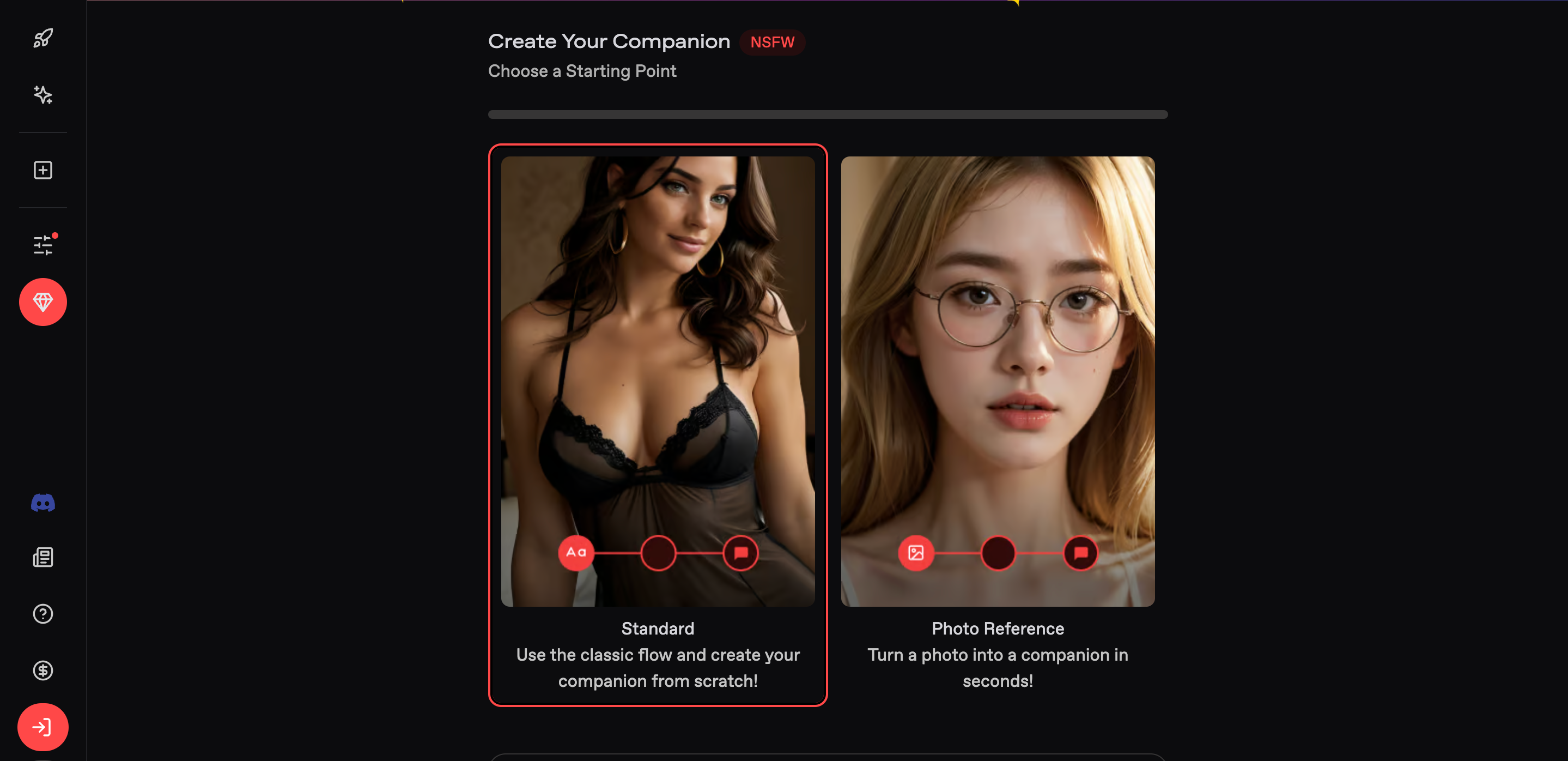
Nectar AI helps you create the girlfriend of your dreams. You can customize everything about her to your liking, from her looks to her personality traits, interests, and emotional depth. The results are like magic. You can even chat with her by voice or text. Best of all, there's no judgment. If you're shy or awkward in real-life romantic situations, creating a personalized AI girlfriend can help you overcome your fears and build confidence when you meet a real person.
Explore Unique Storylines
Nectar AI isn’t just about creating a digital girlfriend; it’s about building a whole new world around her. You can explore unique storylines and roleplay scenarios to make your experience more immersive. If you want to meet a flirty stepmom, you can customize her character and create an exciting backstory before chatting with her. With Nectar, you don’t just get a lifelike AI girlfriend; you get to step into a whole new reality.
Related Reading
- Crushon AI Alternatives
- Kupid AI Alternative
- Spicychat Alternatives
- Yodayo Alternatives
- Character AI Alternatives
- Promptchan Alternatives
- Muah AI Alternative
- Replika Alternatives
Authored By:
 Ana Weissman
Product Manager @ Nectar AI
Ana manages the product operations and roadmap for a variety of products at Nectar. Her career experience spans Amazon, Hitachi, and Pinterest, showcasing her knack for innovation and strategic product development. Her experience reflects a blend of technical expertise and market acumen, especially in the adult space driving impactful solutions in our products.