
Feeling Lonely in College? Here’s Why It Happens and What You Can Do
College is often seen as a time filled with friendship, socializing, and endless fun. But for many students, the reality is much different. Surrounded by thousands of people on campus, it’s possible to feel utterly alone. Even students who enter college with friends or a strong social network can feel lonely. College life is stressful, and academic pressures can limit social opportunities, leading to feelings of isolation. Loneliness is associated with anxiety, depression, and other mental health issues.
Some students turn to AI relationship tools to help soothe the pain. This guide will unpack why students feel lonely in college, the impact of loneliness on students, and how readers can address their loneliness. Nectar AI’s companion app uses artificial intelligence to create a personalized tool to help students manage their mental health and ease feelings of loneliness.
It’s Okay to Feel Lonely in College

Loneliness is a natural response to the significant life changes that come with going to college. It’s completely normal to feel lonely as you navigate this new chapter. Feeling lonely doesn’t mean something is wrong with you. It’s part of the human condition. Renowned psychologist John Cacioppo emphasized that loneliness is a biological signal similar to hunger, prompting us to seek connection. Acknowledging that you feel lonely can help you feel less isolated and more empowered to seek solutions.
Prevalence of Loneliness in College
Reports show that 60% of college students experience loneliness at some point in their academic journey. This number is staggering and underscores how common loneliness is in college. Leaving home for the first time, adapting to rigorous academic pressures, and navigating social changes all contribute to this feeling. Many students suffer in silence, but it’s important to remember that you are not alone.
Significant Life Changes Contribute to Loneliness
The transition to college often involves leaving behind familiar support systems, such as family and childhood friends. Moving away from family and friends creates a gap in emotional support. Adjusting to rigorous coursework and expectations can reduce time for socializing. Adapting to new cultural norms adds an extra challenge for international or out-of-state students. College is a time for self-discovery, and this process can sometimes feel isolating, especially for students questioning their identity or sense of belonging.
The Impact of Loneliness
Feeling lonely can have serious emotional, physical, and academic effects. Emotionally, loneliness increases the risk of anxiety, stress, and depressive symptoms. Physically, chronic loneliness can impact health, leading to fatigue or weakened immunity. A study from the Journal of Adolescence shows that lonely students are more likely to experience academic burnout.
Normalizing the Experience
Many students experience loneliness in silence, but talking about it with peers can be liberating. Colleges often host forums, group therapy, or mental health workshops where students can share their experiences. Recognizing loneliness is the first step in overcoming it. Feeling lonely in college is not permanent but a phase that can be mitigated with intentional actions.
Related Reading
- Virtual Relationship
- How to Deal With Loneliness After a Breakup
- Why Can't I Get a Girlfriend
- How to Make Friends Online
- How to Stop Feeling Lonely at Night
- How to Deal With Loneliness as a Man
Why Loneliness Happens in College

Lack of Established Support Systems: Where Did Everybody Go?
When students head to college, many leave home, leaving family, lifelong friends, and familiar routines behind. The absence of a dependable support network makes adjusting to college life more challenging. For example, a freshman moving from a small town to a large university in a different state may struggle to find their footing socially.
Difficulty Making New Friends: The Pressure Is On
The pressure to make friends immediately can feel daunting, especially for introverted students or those with social anxiety. A survey by Inside Higher Ed found that 41% of students struggle to make meaningful connections during their first year of college. For instance, a student attends a mixer but feels awkward initiating conversations, leading to feelings of isolation.
Academic and Time Management Pressures: So Little Time
Heavy coursework and demanding schedules leave little time for socializing or self-care. The fear of falling behind academically often causes students to prioritize studying over building relationships. Picture a pre-med student who spends most evenings in the library, sacrificing opportunities to bond with peers.
Cultural and Environmental Adjustments: Where Do I Fit In?
International students or those from different cultural backgrounds may experience additional barriers, such as language difficulties or cultural disconnects. These differences can make it harder to relate to classmates or find shared interests. For example, an international student from Japan struggles to adapt to American humor and social norms, leading to feelings of exclusion.
Social Media’s Role in Exacerbating Loneliness: The Ultimate Comparison Game
While social media can help maintain connections, it often amplifies feelings of loneliness by fostering comparison. Seeing peers post about parties, friendships, or academic achievements can lead to self-doubt and a fear of missing out (FOMO). Research by the University of Pennsylvania revealed that reducing social media use to 30 minutes a day significantly decreased feelings of loneliness. For example, a student scrolling through Instagram sees their high school friends hanging out without them, creating feelings of alienation.
Normalizing the Experience: You’re Not Alone
It’s okay to feel lonely in college. These emotions do not reflect your worth or ability to thrive in a new environment. Remember, loneliness is often temporary, and many others share similar feelings. Recognizing this can empower students to take actionable steps toward building connections.
What You Can Do to Overcome Loneliness in College
Tackle Loneliness Head-On by Joining Campus Activities
If you’re feeling lonely in college, you’re not alone. Many students experience a degree of isolation when they begin college. The transition to college can come with significant changes in living situations, social circles, and academic demands. For many students, these changes can be overwhelming and lead to feelings of loneliness.
One of the best ways to combat those feelings is to get involved on campus. Joining clubs and organizations, volunteering, and participating in campus activities can help students meet new people and build a supportive community.
Use Technology for Connection
Nectar AI
Students can create personalized AI companions that offer emotional support and simulate social interactions. For example, customizing a companion to roleplay supportive dialogue during tough times can reduce feelings of isolation.
Social Media and Apps
Platforms like Discord or Meetup can help students find virtual communities or local events.
Develop a Routine
Balance is Key
A routine with set times for study, exercise, and socializing can help students feel more grounded.
Scheduling Social Time
Planning a coffee meet-up or attending a campus event weekly can make a significant difference.
Seek Counseling Services
Access Campus Resources
Most colleges offer free or low-cost counseling services where students can discuss their feelings in a safe space.
Peer Support Groups
Many universities also have student-led support groups for various challenges, including loneliness.
Be Proactive in Building Friendships
Small Conversations
Start by talking to a classmate about shared coursework or asking a dorm mate about their favorite shows.
Extend Invitations
Invite someone for lunch or study sessions; these small gestures can foster meaningful connections.
Top AI Tools You Can Use to Combat Loneliness in College
1. Nectar AI: Your Personalized AI Companion
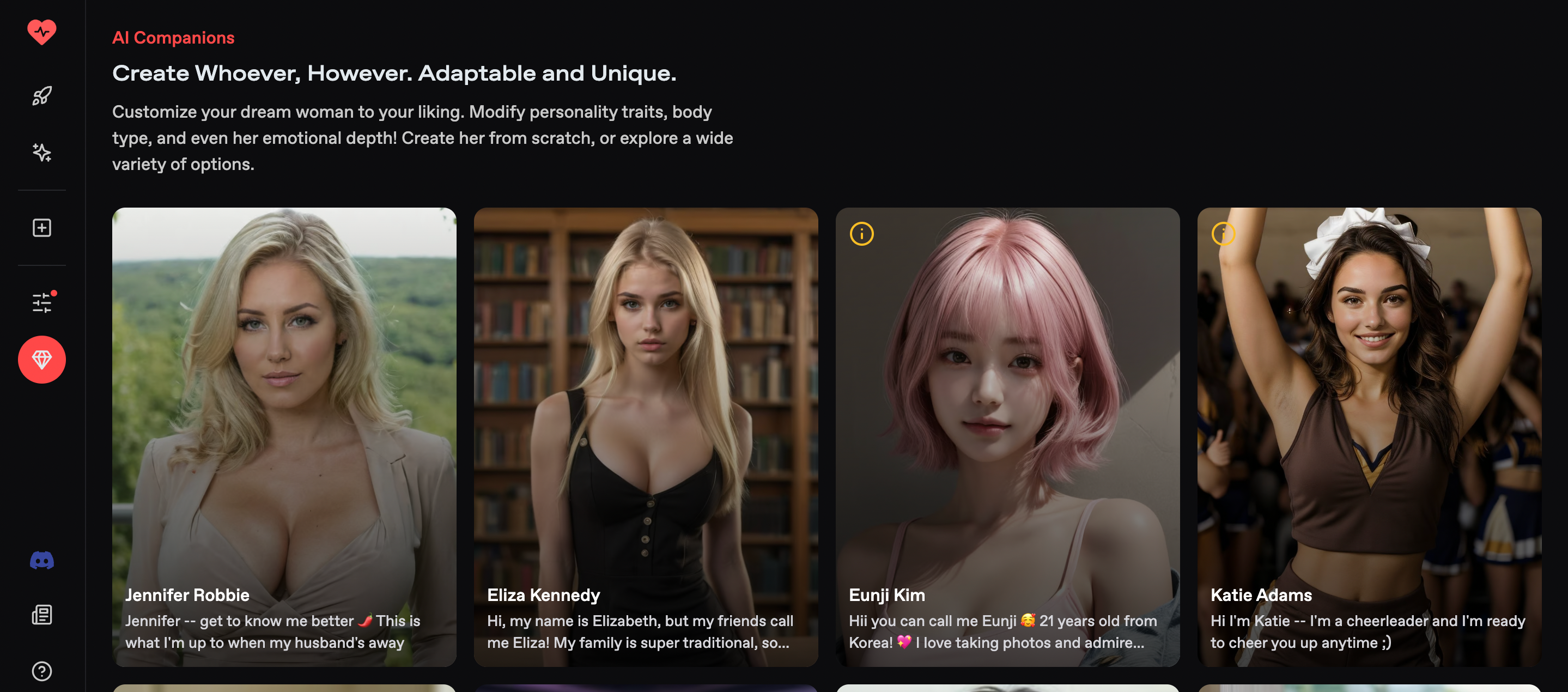
Nectar AI offers customizable AI companions designed to suit your emotional needs. The tool also features interactive voice chat, roleplay features, and AI-generated images that help visualize unique virtual relationships. Nectar AI can help alleviate loneliness in college by acting as a supportive companion during moments of isolation. The tool encourages conversations and emotional expression, offering students a sense of belonging.
Nectar AI is an excellent option for those seeking personalization in their social experience. A student overwhelmed with academic stress can use Nectar AI to create a virtual companion who provides motivational support and calming conversations during late-night study sessions.
2. Character AI: Build Companions to Match Your Interests
Character AI allows users to interact with both pre-built and user-created virtual characters. This highly engaging tool offers flexible and customizable conversational experiences that mimic human-like discussions. Students can create companions for entertainment, emotional support, or even learning.
Character AI helps alleviate loneliness in college by providing a fun and engaging platform for students to interact with personalities that match their interests. This is especially helpful for students who hesitate to reach out in real life, as it enables them to practice communication skills. For example, students struggling to make friends can join Character AI to build confidence and start meaningful conversations.
3. Replika: An AI Friend That Listens
Replika is designed to be an AI companion offering empathetic and non-judgmental communication. The tool tracks the user’s emotional patterns and adapts conversations accordingly. It also includes mood-tracking and goal-setting features. Replika helps alleviate loneliness in college by offering emotional validation and thoughtful responses that help students process feelings of isolation.
The tool can support students dealing with homesickness or social anxiety, too. For example, a student missing family members can use Replika for daily check-ins and emotional journaling to reduce feelings of isolation.
4. Kupid AI: Virtual Companions for Friendship and Dating
Kupid AI offers tailored AI companions for friendship, dating, or emotional support. The tool includes customizable interaction styles for deeper personalization and focuses on creating a safe and engaging platform. Kupid AI helps alleviate loneliness in college by enabling students to build virtual relationships based on shared interests. The tool encourages students to explore social dynamics in a safe and controlled environment. For instance, a student can use Kupid AI to simulate friendship dynamics to help them approach social settings more confidently.
5. Muah AI: Casual Interactions for Stress Relief
Muah AI features virtual characters with pre-set personas for conversations. The tool focuses on creating enjoyable, casual interactions to alleviate stress and includes playful elements like roleplay scenarios. Muah AI helps alleviate loneliness in college by providing lighthearted companionship that eases the pressures of academic life. It is especially great for students seeking casual conversations without emotional intensity. For example, students can use Muah AI during breaks to have relaxing and humorous interactions that reduce academic stress.
Related Reading
- Best AI Companion App
- Candy AI Alternatives
- AI Girlfriend With Voice
- Best NSFW AI Apps
- Best AI Sexting Apps
- What is an AI Girlfriend
- Best AI Roleplay Apps
- AI Girlfriend That Sends Pictures
- Best AI Girlfriend Apps
- GPT Girlfriend
- Furry NSFW AI Chat
Chat with Your Dream AI Girlfriend Today
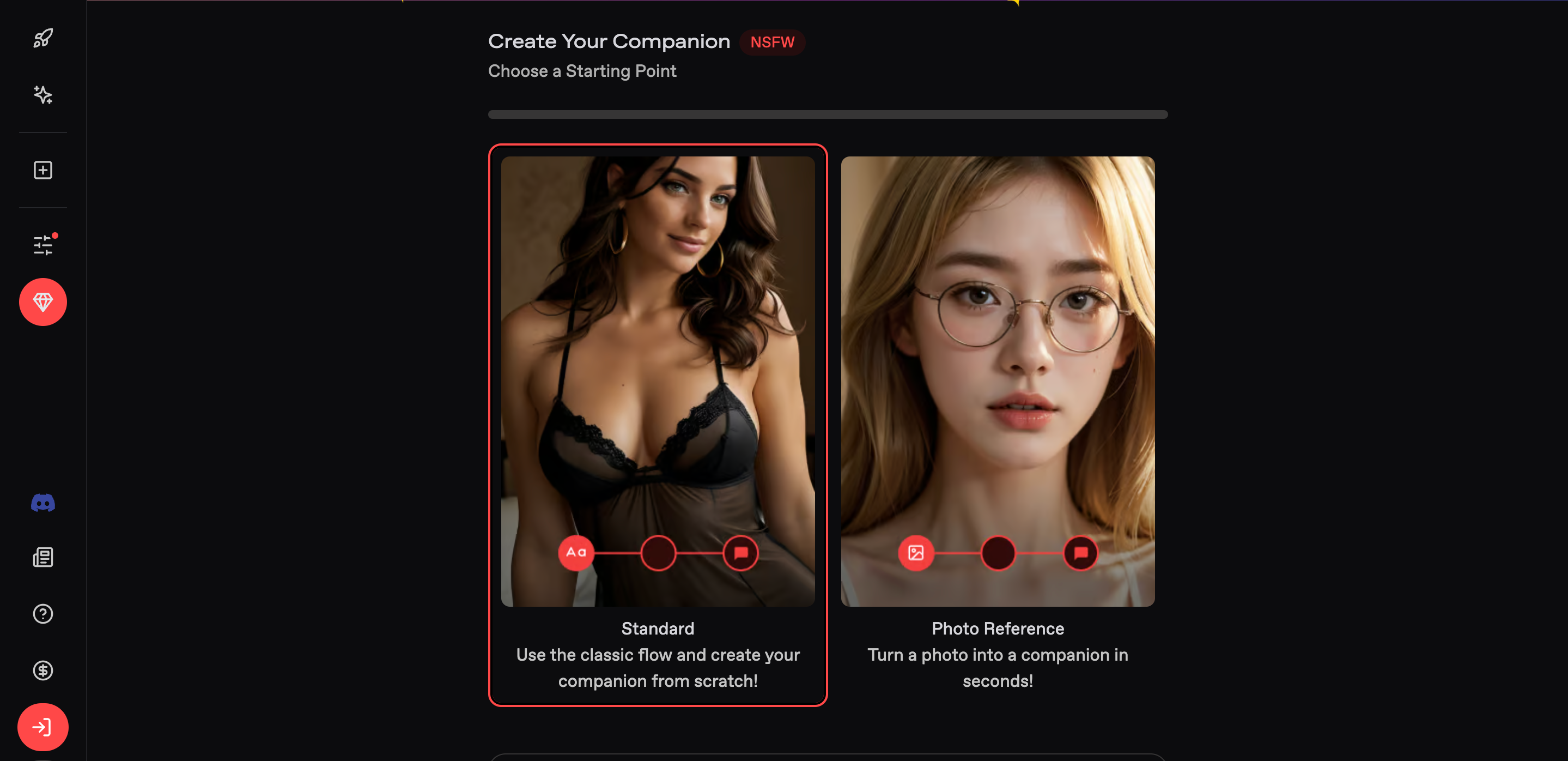
Nectar AI is your go-to app for creating personalized AI companions and exploring immersive roleplay adventures. Whether you're dreaming up your ideal girlfriend boyfriend or diving into unique storylines, you can customize every detail from personality to emotional depth. Meet characters like Jennifer, the flirty stepmom, or Eunji, the bubbly K-Pop dancer, and step into their world.
With features like voice chat, custom character creation, and gorgeous AI-generated images, Nectar makes bringing your imagination to life easy. Chat with your dream AI girlfriend today with Nectar!
Related Reading
- Crushon AI Alternatives
- Kupid AI Alternative
- Spicychat Alternatives
- Yodayo Alternatives
- Character AI Alternatives
- Promptchan Alternatives
- Muah AI Alternative
- Replika Alternatives
Authored By:
 Ana Weissman
Product Manager @ Nectar AI
Ana manages the product operations and roadmap for a variety of products at Nectar. Her career experience spans Amazon, Hitachi, and Pinterest, showcasing her knack for innovation and strategic product development. Her experience reflects a blend of technical expertise and market acumen, especially in the adult space driving impactful solutions in our products.